
Inflation and high living costs in Singapore continue to be a top concern for many of us. Other than trying to earn more through investing or side hustles, watching our monthly expenses and finding ways to cut unnecessary spendings is crucial so we always have extra money to spend or use to invest to compound in our stock portfolios.
Here is an updated list of 10 practical ways to save money in 2026 that I practice or recommend to keep more of your hard-earned cash.
1. Work From Library (Save Electric Bills For Lighting and Aircon)
If you are able to work from home (WFH) but find the current hot weather in Singapore unbearable, keeping your home aircon running all day can lead to a hefty electricity bill. By working from a public library, you get free aircon and lighting while cutting down on home utility costs.
Personally, I find the library a very conducive environment because there are fewer distractions compared to being at home. Public libraries like the ones at VivoCity or Orchard Central also offer great scenic views while you focus.

2. Cut Your Own Fruits (Save Costs Buying From Fruit Stalls)
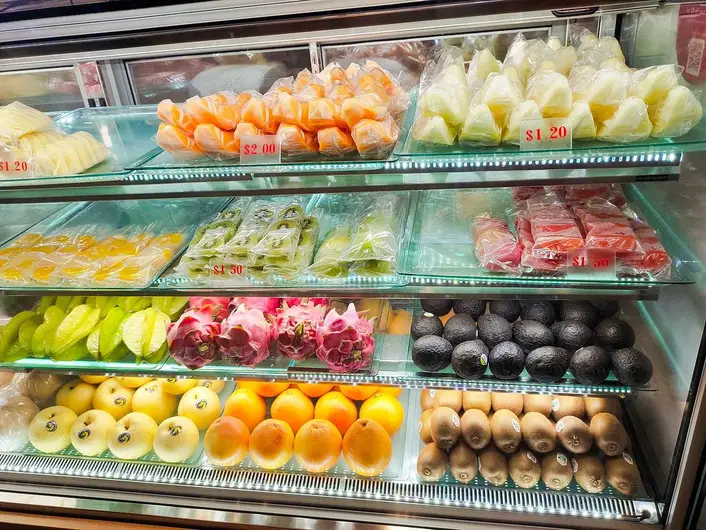
Pre-cut fruit at hawker stalls or food courts often carries a huge markup for convenience.
Buying whole fruits from NTUC FairPrice, Sheng Siong, or neighborhood shops and cutting them yourself takes just a few minutes, but it can cut your fruit expenses by 60% to 70%. When working at the office, bringing a simple fruit peeler and an apple from home allows you to enjoy a post-lunch snack for a fraction of the retail stall price.
3. Bring Your Own Beverage For Lunch (Save Cost Buying Drinks)
Buying drinks, fruit juices, or bubble tea at food courts or shopping centers regularly costs around $1.80 to $7.00 per meal. Assuming there are about 22 working days per month and an average spending of $4 on beverages, that would be around $88 per month or $1,056 spent on beverages alone per year.

Bringing a vacuum flask filled with warm water, honey water, or green tea (using hot water and tea bags from home or your office pantry) helps to save money. Over a working year, that adds up to over $1000 saved. Plus, plain water or unsweetened tea is far healthier than sugar-heavy beverages such as bubble tea.
4. Watch Free Content On YouTube (Save Subscription Fees On Streaming Services)
With streaming platforms raising subscription prices across the board, monthly entertainment fees can quietly add up to hundreds a year.
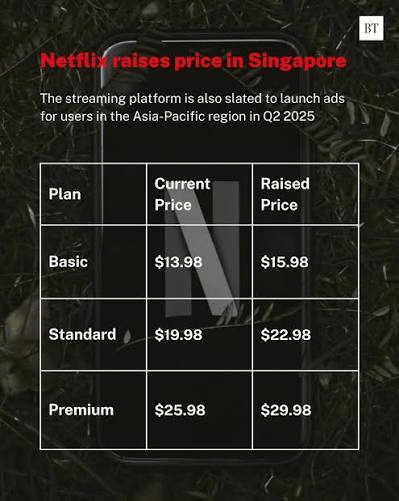
One way to save money is to leverage on the free services from platforms like YouTube.
YouTube offers endless high-quality, free content for both learning and entertainment. You can learn personal finance, stock analysis, and options trading step-by-step for free. There are also plenty of classic movies and full-length shows available legally on YouTube without needing multiple paid subscriptions.
5. Work Out At Free Fitness Corners Or Public Tracks (Save On Gym Memberships)
Commercial gym memberships in Singapore easily run $100 to over $200 every month. If you want to optimize your budget, take advantage of the outdoor fitness corners available in almost every HDB estate.
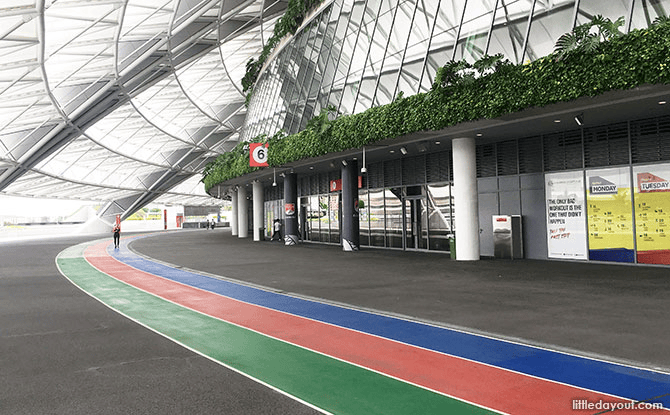
For sheltered running, check out public facilities like the 888m indoor track at the 100PLUS Promenade (Singapore Sports Hub). It is open 24 hours, completely free, fully sheltered, and conveniently connected to Stadium MRT—offering panoramic views of the city skyline as you exercise.
6. Rent A Car Or Use Car-Sharing Instead Of Owning One
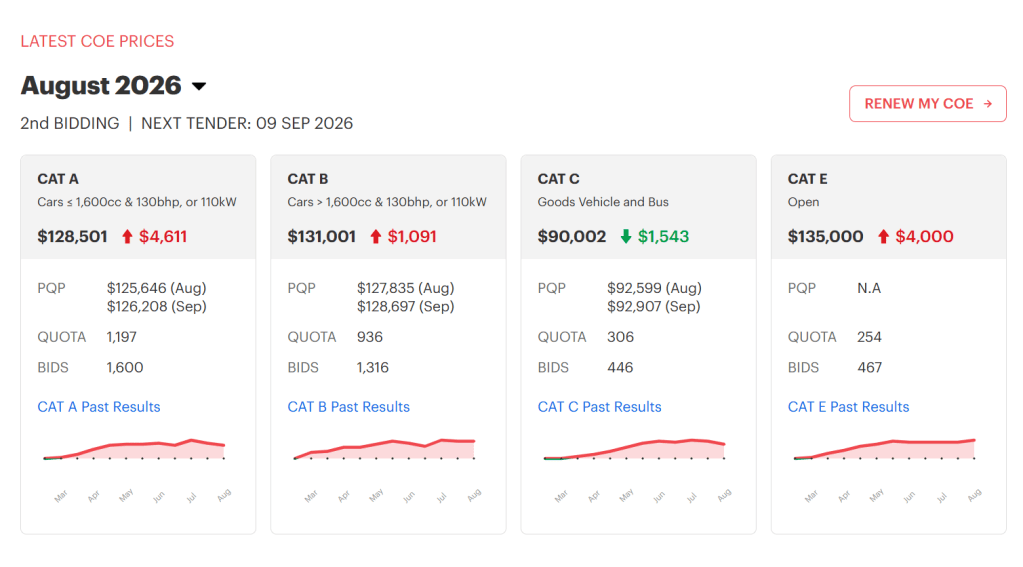
With Category A and B COE premiums staying well above $120,000 in 2026, owning a car in Singapore can easily cost $12,000 to $18,000 per year in depreciation alone—before factoring in insurance, road tax, petrol, ERP, and maintenance.
If you don’t want to rely strictly on public transport, car-sharing services like GetGo or Tribecar are a much cheaper alternative. You pay only for the exact hours or mileage driven, skipping the heavy fixed overheads of direct car ownership.
See my review of carsharing platforms Getgo and Carlite:
Why I Choose Carlite Over Getgo Car Sharing For Greater Savings?
7. Maximize High-Yield Savings Accounts & Cashback Credit Cards
Leaving your cash in a standard account earning 0.05% p.a. loses out to inflation. High-yield savings accounts (like DBS Multiplier, UOB One, or OCBC 360) allow you to earn solid interest by crediting your salary and spending on linked cards.
Pairing these accounts with category-specific cashback credit cards (for groceries and utilities) lets you earn extra back on everyday necessities. Just remember to pay off your balance in full every month to avoid credit card interest fees.
8. Top Up Your / Your Loved Ones’ CPF Accounts / SRS For Tax Relief
Making voluntary cash top-ups to your own CPF Special Account (SA) or your family members’ accounts earns a risk-free 4% p.a. interest rate while qualifying you for tax relief (up to $8,000 for yourself and another $8,000 for loved ones).
Topping up your Supplementary Retirement Account (SRS) account also gives you extra tax relief of up to $15,300 per year.
Read up more about SRS here:
Everything You Need To Know About Supplementary Retirement Account (SRS); How It Works, Tax Relief And Withdrawal Strategies
Reducing your chargeable income tier lowers your overall personal income tax bill, keeping more cash in your pocket to reinvest for the long term. (Note: Course Fees Relief was removed from YA 2026 onwards, making CPF top-ups an even more vital lever for tax optimization).
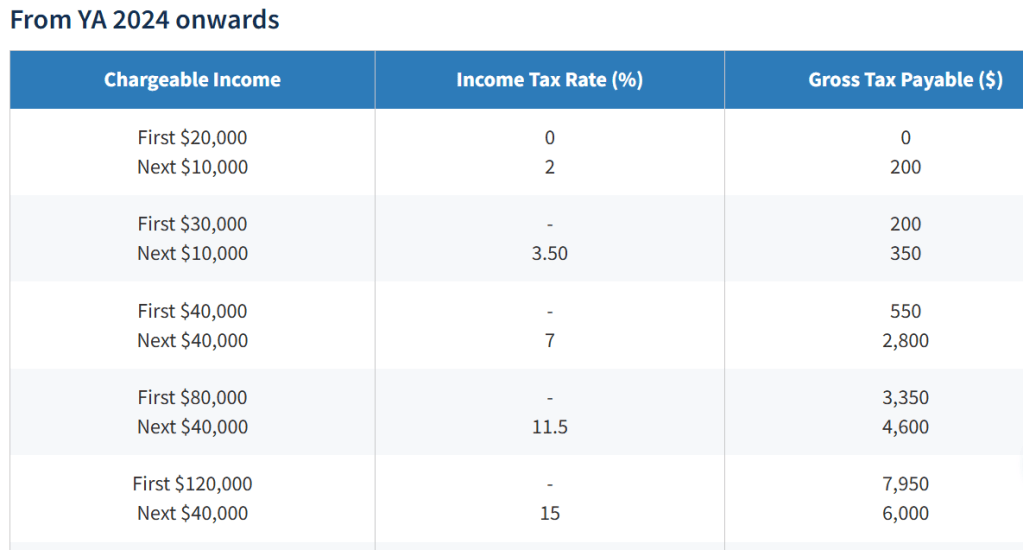
So, you can potentially save up to $31,300 of your taxable income by doing top-ups to SA and SRS, which could translate to $4,695 (15% tax) of savings on income tax per year.
9. Get Free / Pre-Loved Items On The Internet
You can find plenty of brand-new or gently used items given away for free by owners in Singapore. Platforms like Carousell (filter search by “Free”), Facebook Freecycle groups, and websites like Trash Nothing regularly feature furniture, home appliances, books, and household items.
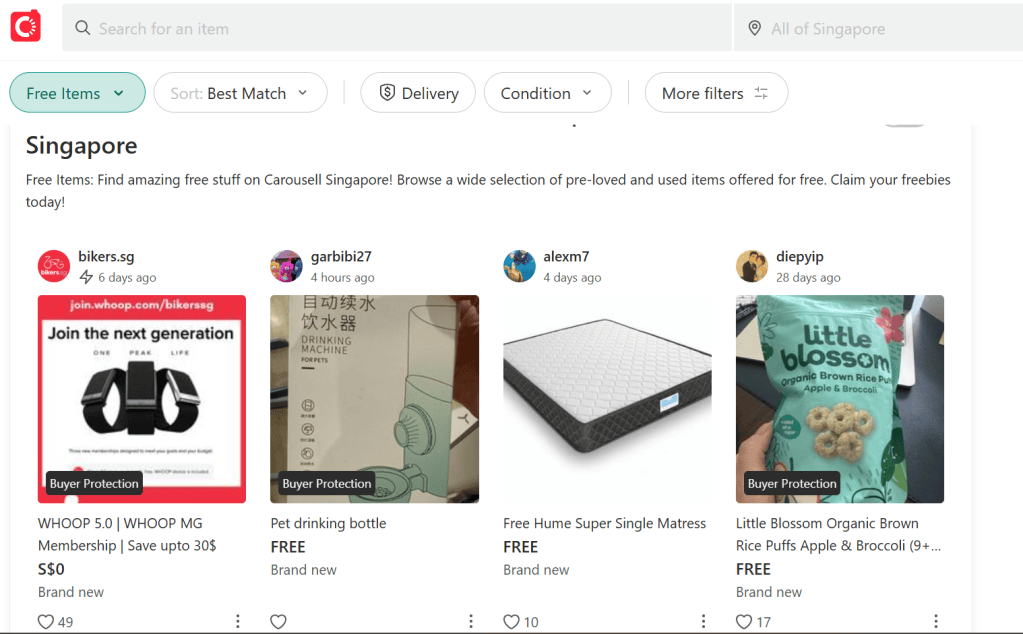
Getting pre-loved items isn’t about being cheap—it saves substantial money, keeps functional goods out of landfills, and reduces waste to support the environment.
10. Live Within Your Means & Avoid Materialism
This is a core mindset. You don’t need to buy private property, drive a continental car, or dine at fine restaurants every week just to measure up against others or impress people.
It is completely fine to live in an HDB flat, take the MRT, and enjoy simple hawker meals (like finding a great $4.00 cai fan stall). Trying to prove your worth through material things often reflects underlying self-esteem issues. People respect you for your character, attitude, and how you treat others—not the brand of your car or watch.

Concluding Thoughts
To cope with inflation and high living costs, many people focus solely on trying to earn more income. However, if we don’t manage our spending, earning more won’t fix the leak.
A person earning $15,000 a month who spends $14,000 will have less long-term wealth than someone earning $5,000 and spending $2,000. When compounded over 5 to 10 years in low-risk index funds or stocks, that difference is life-changing. Small savings habits really do compound over time.
*** FOLLOW US ON SOCIAL MEDIA ***
Follow me on Facebook and LinkedIn, to get notified of my latest posts on social media. Or subscribe to my blog (scroll to the bottom of the page) to have my new posts sent directly to your mailbox.
We also have a community passionate about investing, trading, and personal finance over our Telegram or Facebook group. So, join us there for a good discussion, post queries, or simply share your financial knowledge.
*** FREE BEGINNER GUIDE TO OPTIONS TRADING ***
Keen to learn about options trading but do not wish to pay for expensive courses, this newbie guide will help gain the knowledge and fundamentals to understand options better. And it’s totally free!
The Newbie’s Guide To Options Trading
*** SEE MY TRADES & PORTFOLIO ON PATREON ***
If you are interested to find out more about my trades, what shares I am buying/ selling or which options contracts I have opened/ closed, I will be updating them on Patreon (on the same day I made the trades), so do follow me there if you need some reference or inspiration.
Click here to access my Patreon page
*** FREE MOTIVATIONAL BOOK ***
If earning more money from your investment does not excite you anymore, you may be seeking a purpose that brings fulfillment and meaning in life. I have written a motivational book that may be useful to you in some ways.
Click here to download my motivational book
*** BUY ME A CUP OF COFFEE ***
If my blog has benefited you in some ways and you would like to offer a token of appreciation, you may do so via this page. Thank you very much for your support!
Click here to support the site
*** MUST-READ BLOG POSTS ***
The day that I lost everything….
I Was Margin Called, IBKR Liquidated ALL My Positions & Realised S$540k (USD400k) Worth Of Losses
Sharing these 6 fatal mistakes in investing and options trading so you can avoid these pitfalls
The 6 Fatal Investing/ Trading Mistakes That Made Me Lose More Than $1M
After accumulating more than 600k of unrealized losses on my portfolio, I wrote this article to encourage friends and investors who are also losing a lot of money to the market.
If You Are Feeling Depressed From Losing Lots Of Money In The Stock Market, Here’s An Article For You
The precious 6 lessons I learnt after cutting more than half a million of losses in the stock market through bad investments and risky trades.
6 Lessons Learnt After Losing 551k In 10 Years Of Investing & Options Trading | What Newbies Should Know They Start Investing/ Trading
In the 10 years of my investing journey, I have made many mistakes but also learned many lessons from these mistakes. I compiled the 10 most valuable lessons that I have learned and may they help you succeed in your investing journey.
Happy 10 Years Of Investing | 348k (Realised) Profit, 635k (Unrealized) Loss & 10 Lessons Learnt
How I managed to build a 1M investment/ trading portfolio despite coming from humble beginnings.
How A Poor Kid Got To A 1M Investment Portfolio | Tips & Principles Of Building Wealth
I did these 10 side hustles while holding a full-time job, so I share them here so you can be inspired to grow your wealth through a side hustle that you enjoy.
I Did These 10 Side Hustles While Working Full Time | 10 Side Hustle Ideas To Help You Earn An Extra Income
Struggling with inflation and high cost of living? Try these 10 methods to help you save money and accumulate more savings for investments or rainy days.
10 Ways To Save Money To Help You Fight Inflation & Rising Costs Of Living
Why I am building $120,000 of cash reserves in Singapore Savings Bonds (SSB) & 5 reasons why I think SSB is a worthy low or zero-risk investment that you can consider.
Why I Am Building $120,000 Of Cash Reserves In Singapore Savings Bonds (SSB)? | 5 Reasons Why SSB Is A Worthy Low-Risk Investment

